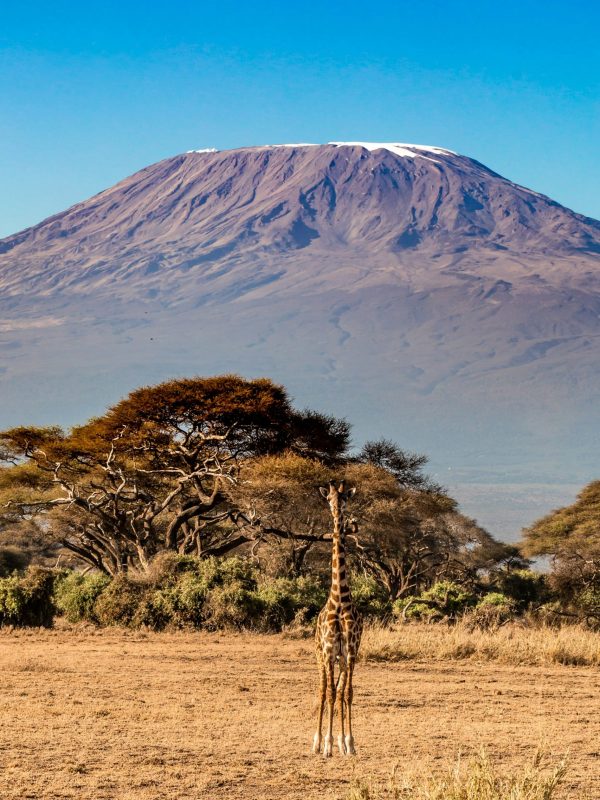
Amboseli National Park
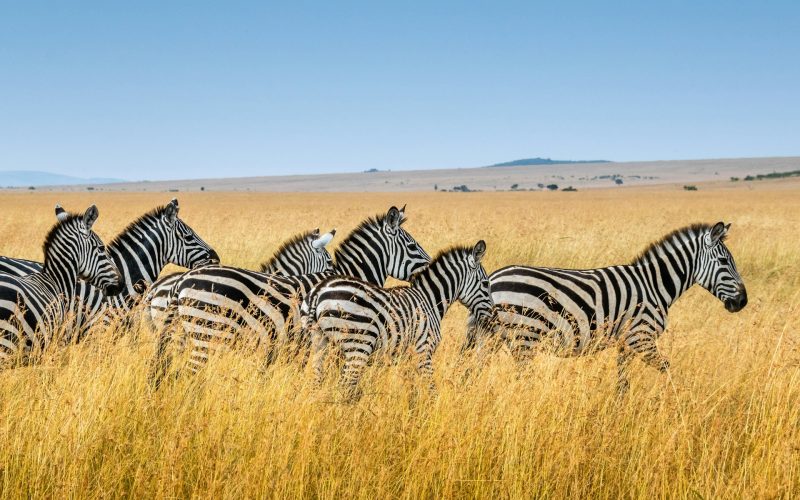
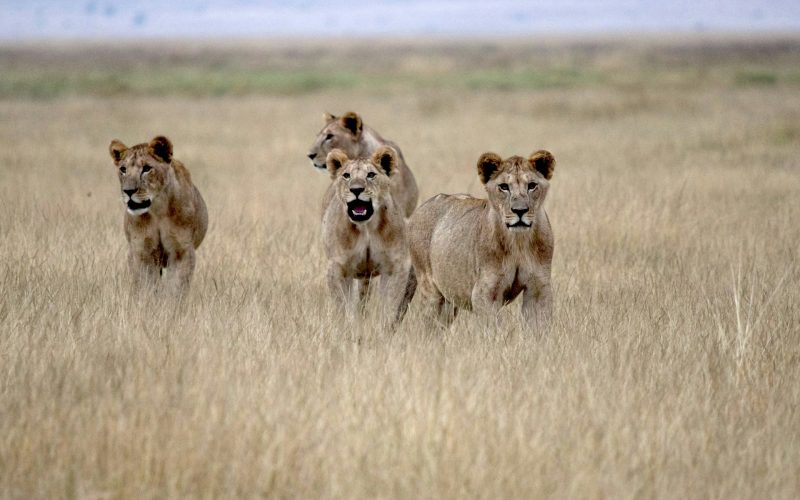
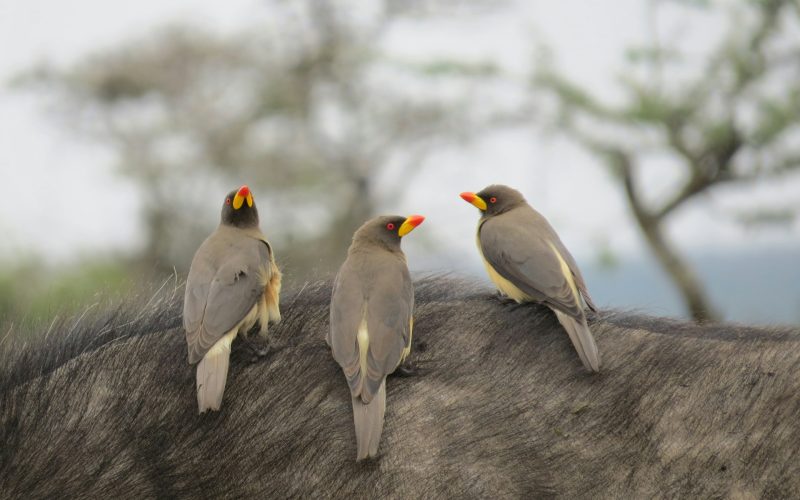
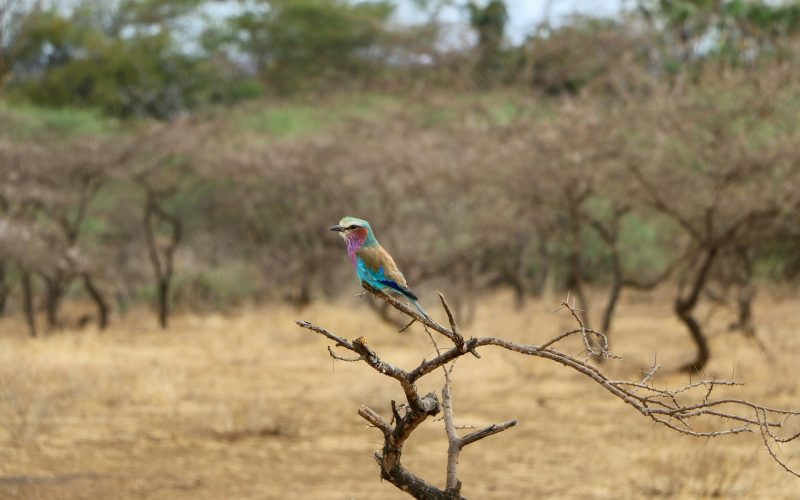
Amboseli National Park offers one of Africa’s most iconic safari experiences, set against the majestic backdrop of Mount Kilimanjaro’s snow-capped peaks. This compact yet spectacular reserve spans 392 square kilometers of diverse landscapes—from vast open plains and acacia woodlands to seasonal marshes fed by underground springs from Kilimanjaro’s melting snow. Famous for its large elephant herds that roam freely across the savanna, Amboseli provides unparalleled opportunities to observe these gentle giants up close. The park’s open terrain and sparse vegetation create perfect conditions for wildlife photography, especially during golden hour when animals are silhouetted against Africa’s highest mountain. Beyond elephants, the park hosts lions, cheetahs, buffalo, zebras, wildebeest, and over 400 bird species including flamingos that gather at Lake Amboseli during wet seasons. The resident Maasai community adds cultural depth to your safari experience, offering insights into traditional pastoralist life that has coexisted with wildlife for centuries. Amboseli delivers an unforgettable African adventure.

- Essential Checklist
- What to include
- Safari Exclusions
- Park Entry Fees: Budget for daily conservation fees (USD 60 for non-residents, KES 300 for residents) and carry original identification documents to verify status.
- Dust Protection: Pack bandanas, masks, or scarves as Amboseli’s open plains can be extremely dusty, especially during dry seasons.
- Photography Equipment: Bring cameras with powerful zoom lenses and extra batteries to capture wildlife against Mount Kilimanjaro’s spectacular backdrop.
- Layered Clothing: Pack lightweight clothes for hot days and warm layers for chilly mornings and evenings, as temperatures can vary significantly.
- Sun Protection: Essential items include high-SPF sunscreen, wide-brimmed hats, and quality sunglasses for the intense equatorial sun on open plains.
- Hydration Supplies: Carry plenty of water as the dry climate and dust can cause dehydration more quickly than in other parks.
- Binoculars: High-quality binoculars are crucial for wildlife observation across Amboseli’s vast open landscapes where animals may be at considerable distances.
- Game Drives: Multiple daily game drives during optimal wildlife viewing hours—early morning (6:00am-10:00am) and late afternoon (3:30pm-6:30pm) with Mount Kilimanjaro as your backdrop.
- Expert Guide Services: Experienced local guides who specialize in tracking Amboseli’s famous elephant herds and can identify wildlife behaviors across the open plains.
- Strategic Viewing Points: Visits to key locations including Observation Hill for panoramic views, seasonal swamplands where elephants gather, and acacia woodlands for diverse wildlife.
- Cultural Experience: Authentic Maasai village visits to learn about traditional pastoralist lifestyles and how local communities coexist with wildlife.
- Photography Opportunities: Dedicated time for capturing iconic shots of elephants with Kilimanjaro’s snow-capped peak, especially during golden hour lighting.
- Reliable 4WD Transportation: Safari vehicles equipped for navigating Amboseli’s dusty terrain with pop-up roofs for unobstructed viewing and photography.
- Accommodation Options: Lodging ranging from luxury lodges with Kilimanjaro views to budget-friendly campsites strategically located near wildlife corridors.
- Adequate Duration: Minimum 2-3 days to fully appreciate the park’s diverse ecosystems and maximize elephant sighting opportunities.
- Bird Watching Sessions: Guided birding experiences around seasonal lakes and marshlands where over 400 species congregate.
- Conservation Education: Opportunities to learn about elephant research projects and conservation efforts protecting this critical ecosystem.
- International Airfare: Flights to and from Kenya are not covered in safari packages.
- Visa Fees: Kenya entry visa costs must be paid separately by travelers.
- Travel Insurance: Comprehensive travel and medical insurance remains the responsibility of each visitor.
- Personal Expenses: Shopping, souvenirs, phone calls, internet access, and laundry services incur additional charges.
- Premium Alcoholic Beverages: While some packages may include basic drinks, premium spirits, wines, and champagne are usually excluded.
- Specialized Activities: Bush walks, night game drives, and private helicopter flights over Mount Kilimanjaro typically require additional payment.
- Photography Fees: Professional photography permits or specialized equipment rentals.
- Gratuities: Tips for guides, drivers, camp staff, and porters are customarily given at your discretion.
- Airport Transfers: Transportation between airport and accommodation may be arranged for an extra fee if not specified in your package.
- Additional Park Fees: Any conservation fees, landing fees, or special area access charges beyond standard entry.
- Medical Requirements: Vaccinations, anti-malarial medication, and other health precautions.
- Equipment Rentals: Specialized safari gear, binoculars, or camera equipment rentals.
- Bottled Water: Drinking water is often excluded from basic packages, especially during dusty game drives.
- Private Conservancy Access: Fees for exclusive wildlife viewing areas adjacent to Amboseli National Park.